
General Dentistry
How Teeth Grinding Can Affect Sleep Quality
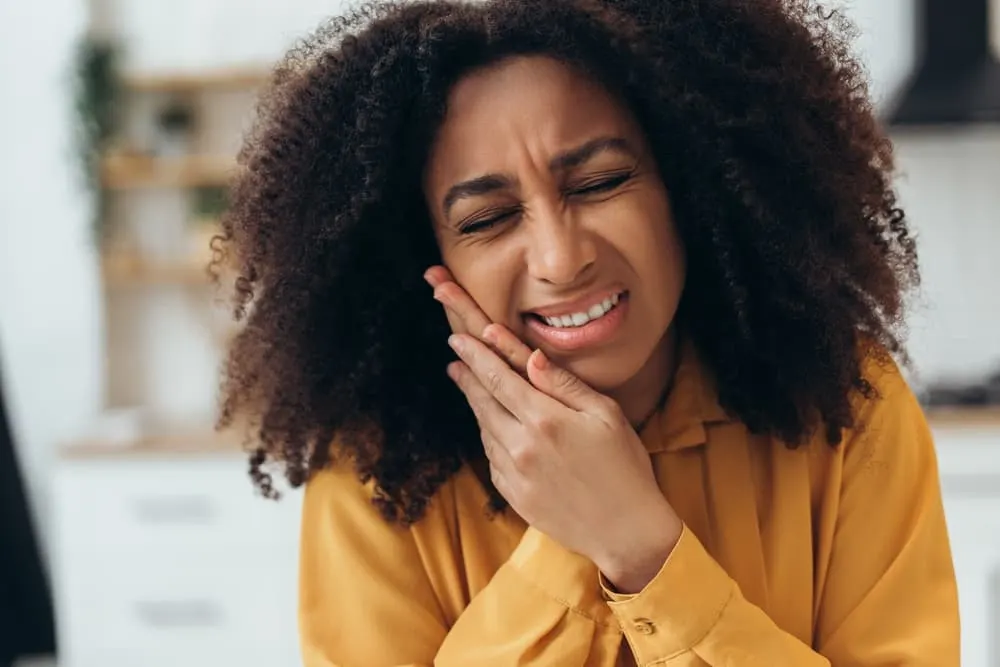
Many people are unaware that they grind or clench their teeth while asleep until symptoms begin affecting daily life. Teeth grinding, commonly referred to as bruxism, can place repeated pressure on the jaw and teeth throughout the night. Although some cases are mild, ongoing grinding may contribute to disturbed sleep and discomfort that carries into the following day.
At York House Dental Practice, patients seeking advice about disrupted sleep or jaw tension are often surprised to learn that oral habits during sleep may play a role. Discussions around bruxism frequently arise during appointments related to dental care in Chesham, particularly when patients report headaches, tiredness, or tooth sensitivity.
Why Teeth Grinding Happens During Sleep
Sleep bruxism may develop for several reasons, and the cause is not always straightforward. Stress and anxiety are commonly linked to clenching habits, although lifestyle factors and sleep disorders may also contribute.
People who grind their teeth at night often do not notice the habit themselves. Instead, the symptoms become more noticeable over time. Some individuals are alerted by a partner hearing grinding noises during sleep, while others recognise physical symptoms when waking up.
Contributing factors may include:
- Stress-related jaw tension
- Sleep disturbances
- Caffeine or alcohol intake late in the evening
- Bite or jaw alignment concerns
Because the causes can vary, professional assessment is important when symptoms continue or worsen.
The Connection Between Bruxism and Poor Sleep
Sleep quality depends on the body remaining relaxed throughout the night. Teeth grinding can interrupt this process by placing continuous strain on the jaw muscles and surrounding tissues. Even when grinding does not fully wake a person, the body may still experience repeated tension that affects sleep cycles.
People experiencing sleep bruxism may notice:
- Morning headaches
- Jaw discomfort after waking
- Interrupted sleep
- Daytime fatigue
- Difficulty concentrating
The effects are not always immediate. Some patients gradually notice increased tiredness or discomfort without connecting it to overnight grinding.
At York House Dental Practice, conversations about dental care in Chesham often include discussions about how oral health concerns can influence sleep patterns and overall well-being.
How Teeth Grinding Can Affect Oral Health
In addition to disturbed rest, bruxism may affect the condition of the teeth and jaw over time. Repeated clenching pressure can gradually wear down tooth surfaces and increase sensitivity. Some people also experience discomfort near the jaw joints, particularly in the morning.
Dentists may identify signs of grinding during routine examinations. Common indicators can include flattened teeth, enamel wear, jaw muscle tension, or minor cracks affecting tooth structure.
Ignoring symptoms may allow the condition to progress further. Early assessment may help reduce ongoing strain and protect long-term oral health.
Managing Teeth Grinding More Effectively
Treatment recommendations depend on the severity of symptoms and the underlying cause. One commonly recommended option is a custom-made night guard designed to reduce pressure on the teeth while sleeping. These appliances are created to fit comfortably and may help minimise damage caused by grinding.
Lifestyle adjustments may also support better sleep quality. Reducing caffeine intake later in the day, improving sleep routines, and managing stress may help decrease overnight clenching in some individuals.
At York House Dental Practice, patients exploring solutions connected to dental care in Chesham can receive tailored advice regarding bruxism, jaw discomfort, and protective oral appliances. Addressing symptoms early may help improve sleep quality while supporting long-term dental health.
More from the blog
Signs You May Need an Anti-Snoring Device
Occasional snoring is common and may happen after a long day, during illness, or when sleeping in certain positions. However, regular snoring that continues over time may affect…
Read more: Signs You May Need an Anti-Snoring Device
Benefits of Saving Your Natural Tooth with Root Canal
Preserving natural teeth plays an important role in maintaining oral function, structural stability, and long-term dental health. When infection affects the inner portion of a…
Read more: Benefits of Saving Your Natural Tooth with Root Canal
Signs You Might Need a Root Canal
Maintaining oral health involves recognising early warning signs that may indicate deeper concerns within a tooth. When infection or damage reaches the inner pulp, timely care can…
Read more: Signs You Might Need a Root Canal