
General Dentistry
Signs You May Need an Anti-Snoring Device
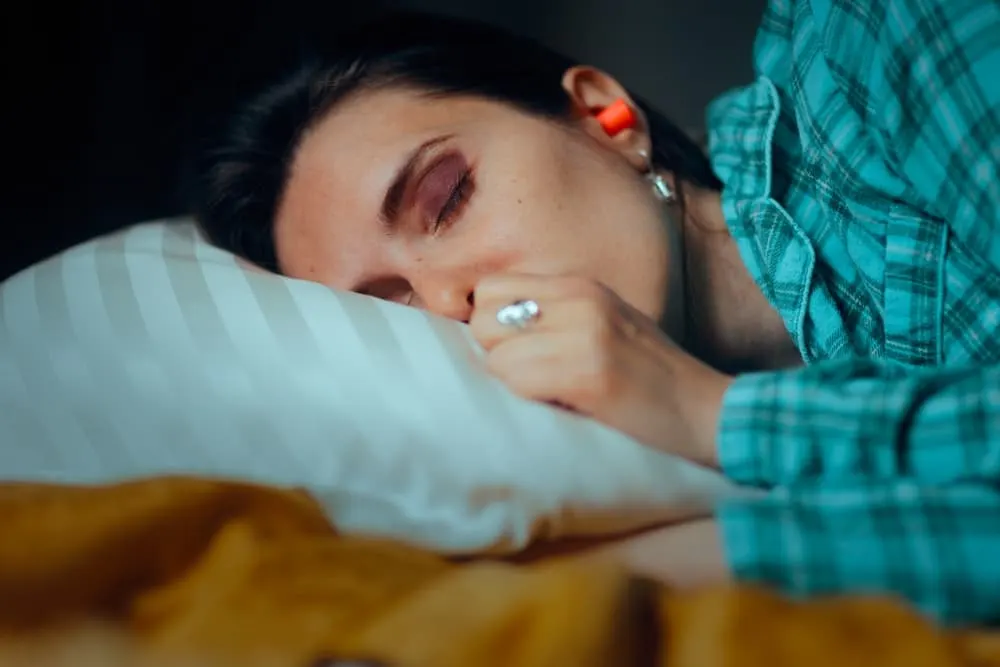
Occasional snoring is common and may happen after a long day, during illness, or when sleeping in certain positions. However, regular snoring that continues over time may affect sleep quality and daily well-being. In some households, loud snoring may also disturb the sleep of partners or family members.
At York House Dental Practice, patients discussing disrupted sleep during appointments for dental care in Chesham are often encouraged to consider whether persistent snoring may require further assessment.
While some people dismiss snoring as harmless, ongoing symptoms may suggest restricted airflow during sleep.
Common Symptoms That Should Not Be Ignored
Many people are unaware that their snoring has become more severe until someone else points it out. Others begin noticing daytime tiredness even after a full night in bed.
Signs that may indicate the need for an anti-snoring device can include:
- Loud or regular snoring
- Waking with a dry mouth
- Frequent tiredness during the day
- Disturbed sleep patterns
- Morning headaches
- Reports of pauses in breathing during sleep
Symptoms may develop gradually, making them easier to overlook at first. Persistent issues should not be ignored, especially when they begin affecting daily concentration or energy levels.
How Oral Anti-Snoring Devices Work
Anti-snoring devices provided by dental professionals are designed to help improve airflow during sleep. Many oral appliances gently adjust the jaw position to reduce airway narrowing that contributes to snoring sounds.
Custom-made devices are often preferred because they are created to fit the patient more comfortably. A tailored appliance may also provide better support during overnight wear.
At York House Dental Practice, patients seeking information about dental care in Chesham can discuss whether an oral appliance may be appropriate based on their symptoms and sleep concerns.
Lifestyle Factors Linked to Snoring
Several everyday habits may increase the likelihood of snoring. Weight gain, smoking, alcohol intake before bedtime, and sleeping on the back may all influence airflow during sleep.
Simple adjustments may help reduce symptoms in some cases. Patients are often advised to:
- Maintain a consistent sleep routine
- Avoid alcohol late in the evening
- Sleep on their side where possible
- Address nasal congestion when present
While lifestyle changes may improve mild snoring, persistent symptoms may still require professional evaluation.
Seeking Professional Guidance for Sleep Concerns
Snoring can occasionally be associated with obstructive sleep apnoea, a condition involving repeated breathing interruptions during sleep. This is why ongoing symptoms should not be ignored, particularly when daytime fatigue or interrupted breathing is involved.
A dental assessment may help determine whether an oral appliance could support improved sleep comfort. In some situations, referral for further medical investigation may also be recommended.
At York House Dental Practice, patients interested in improving sleep quality through dental care in Chesham can receive guidance on anti-snoring appliances and sleep-related oral health concerns. Early attention to symptoms may help support more restful sleep and improved daily comfort.
More from the blog
How Teeth Grinding Can Affect Sleep Quality
Many people are unaware that they grind or clench their teeth while asleep until symptoms begin affecting daily life. Teeth grinding, commonly referred to as bruxism, can place…
Read more: How Teeth Grinding Can Affect Sleep Quality
Benefits of Saving Your Natural Tooth with Root Canal
Preserving natural teeth plays an important role in maintaining oral function, structural stability, and long-term dental health. When infection affects the inner portion of a…
Read more: Benefits of Saving Your Natural Tooth with Root Canal
Signs You Might Need a Root Canal
Maintaining oral health involves recognising early warning signs that may indicate deeper concerns within a tooth. When infection or damage reaches the inner pulp, timely care can…
Read more: Signs You Might Need a Root Canal